

luciekud96984
About luciekud96984
Exploring Treatment Options for Erectile Dysfunction: A Comprehensive Case Study
Erectile dysfunction (ED) is a prevalent condition that affects millions of men worldwide, impacting their quality of life and intimate relationships. The causes of ED can be multifaceted, including psychological, physiological, and lifestyle factors. This case study explores various treatment options available for ED, highlighting their effectiveness, potential side effects, and suitability for different patient profiles.

Patient Profile
Mr. John Doe, a 55-year-old male, presented to his primary care physician with complaints of difficulty achieving and maintaining an erection for the past six months. He reported that this condition had begun to affect his self-esteem and his relationship with his partner. Mr. Doe has a history of hypertension, which is well-managed with medication, and he leads a relatively sedentary lifestyle. He is a non-smoker and consumes alcohol occasionally.
Initial Assessment
Upon initial assessment, the physician performed a thorough medical history review and physical examination. Psychological factors such as anxiety and depression were evaluated, and Mr. Doe was screened for underlying health conditions that could contribute to ED. Blood tests were conducted to assess hormone levels, blood sugar, and cholesterol levels. The results indicated slightly elevated cholesterol levels, but other parameters were within the normal range.
Treatment Options
Based on the assessment, the physician discussed various treatment options with Mr. Doe, which can be categorized into lifestyle modifications, pharmacotherapy, vacuum erection devices, injections, and surgical interventions.
1. Lifestyle Modifications
The first line of treatment recommended was lifestyle changes. Mr. Doe was advised to incorporate regular physical activity into his routine, aiming for at least 150 minutes of moderate exercise per week. This could help improve cardiovascular health and enhance blood flow, potentially alleviating ED symptoms.
Additionally, dietary modifications were suggested, including a heart-healthy diet rich in fruits, vegetables, whole grains, and lean proteins while reducing saturated fats and sugars. Mr. Doe was encouraged to maintain a healthy weight, as obesity is a known risk factor for ED.
2. Pharmacotherapy
If lifestyle changes alone were insufficient, the next step would be pharmacotherapy. The physician discussed several oral medications known as phosphodiesterase type 5 (PDE5) inhibitors, including:
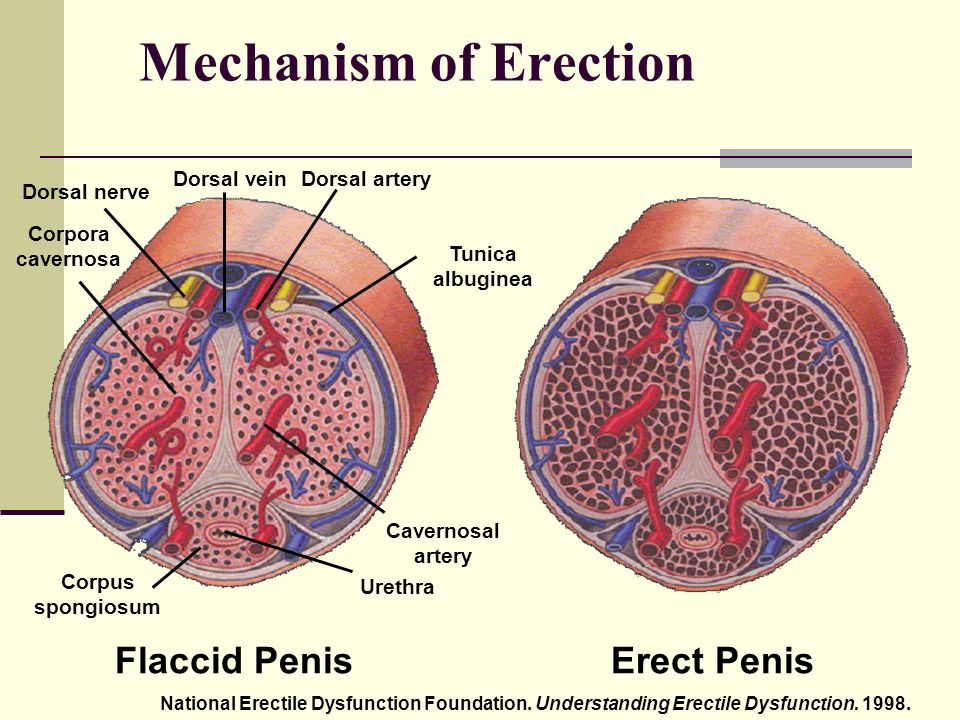
- Sildenafil (Viagra): Effective for many men, it works by increasing blood flow to the penis when sexually stimulated.
- Tadalafil (Cialis): Offers a longer duration of action, making it suitable for men who prefer spontaneity in sexual activity.
- Vardenafil (Levitra): Similar to sildenafil but may work slightly faster for some patients.
- Avanafil (Stendra): A newer option that can be taken shortly before sexual activity.
Mr. Doe was informed that these medications have been shown to be effective in approximately 70% of men with ED. However, he was also cautioned about potential side effects, which may include headaches, flushing, nasal congestion, and, in rare cases, priapism (prolonged erection).
3. Vacuum Erection Devices (VED)
If Mr. If you have any type of concerns relating to where and how to make use of erectiledysfunctiontreatments.online, you can contact us at our web site. Doe preferred a non-pharmacological approach or if medications were contraindicated, the physician introduced the option of vacuum erection devices. A VED consists of a cylindrical chamber that fits over the penis. A vacuum pump creates negative pressure, drawing blood into the penis and causing an erection. Once an erection is achieved, a constriction ring is placed at the base of the penis to maintain the erection.
While VEDs can be effective, they require a degree of manual dexterity and may be less spontaneous than pharmacological options. Mr. Doe was informed that some men find them cumbersome but that they can be a viable alternative.
4. Intracavernosal Injections
For men who do not respond to oral medications or prefer a more immediate solution, intracavernosal injections may be recommended. This involves injecting a medication directly into the penis, such as alprostadil, which promotes increased blood flow and results in an erection.
Mr. Doe was informed that while this method is highly effective, it does require training for proper administration and carries risks such as pain at the injection site and the potential for scarring.
5. Surgical Interventions
In cases where other treatments are ineffective, surgical options may be considered. Mr. Doe was made aware of two primary surgical interventions:
- Penile Prosthesis: This involves implanting a device that can be inflated to create an erection. It is usually reserved for men with severe ED not responsive to other treatments.
- Vascular Surgery: This option is suitable for younger men with specific vascular issues. It aims to improve blood flow to the penis.
Follow-Up and Monitoring
After discussing the various treatment options, Mr. Doe expressed interest in starting with lifestyle modifications and PDE5 inhibitors. The physician scheduled a follow-up appointment in three months to monitor Mr. Doe’s progress, assess the effectiveness of the chosen treatment, and make any necessary adjustments.
Conclusion
Erectile dysfunction is a complex condition with various treatment options available. This case study illustrates the importance of a comprehensive assessment and a tailored approach to treatment. By considering lifestyle modifications, pharmacotherapy, and other interventions, healthcare providers can help patients like Mr. Doe regain confidence and improve their quality of life. Ongoing education, support, and follow-up care are essential components in managing ED effectively.
No listing found.